Why Do Players Refuse to Play on Turf? 10 Stars, 2026
- Mohamed Salah1
- Zlatan Ibrahimović2
- Thierry Henry3
- Didier Drogba4
- US women's national team (Hawaii, 2015)5
Trend of the day · SportSport

The plastic-grass reason now looks more like cover for a quarrel between Salah and his coach than a medical fact.
In September, Egypt's football association kept Mohamed Salah out of a qualifier for the Africa Cup of Nations in South Sudan. It said the artificial turf there, a plastic grass pitch, could injure him. The association said this was agreed with the national coach Hossam Hassan's staff.
On October 14, 2026, the sports news site Goal.com reported that Salah's Turkish club Trabzonspor had picked him for a European match on artificial turf in Finland. On October 15, he scored and set up a goal in a 4-2 win (source).
What does this mean for Salah, for Egypt's national team and for its fans? What happens next? What should football fans and players everywhere make of it?
In plain words: Trabzonspor — Turkish football club where Salah now plays; Goal.com — international football news website; Africa Cup of Nations — Africa's national-team football championship; Hossam Hassan — head coach of Egypt's national football team; artificial turf — plastic grass used instead of a real pitch; Beşiktaş — big Istanbul football club, Trabzonspor's rival; Süper Lig — Turkey's top football league; KingFut — Egyptian football news website
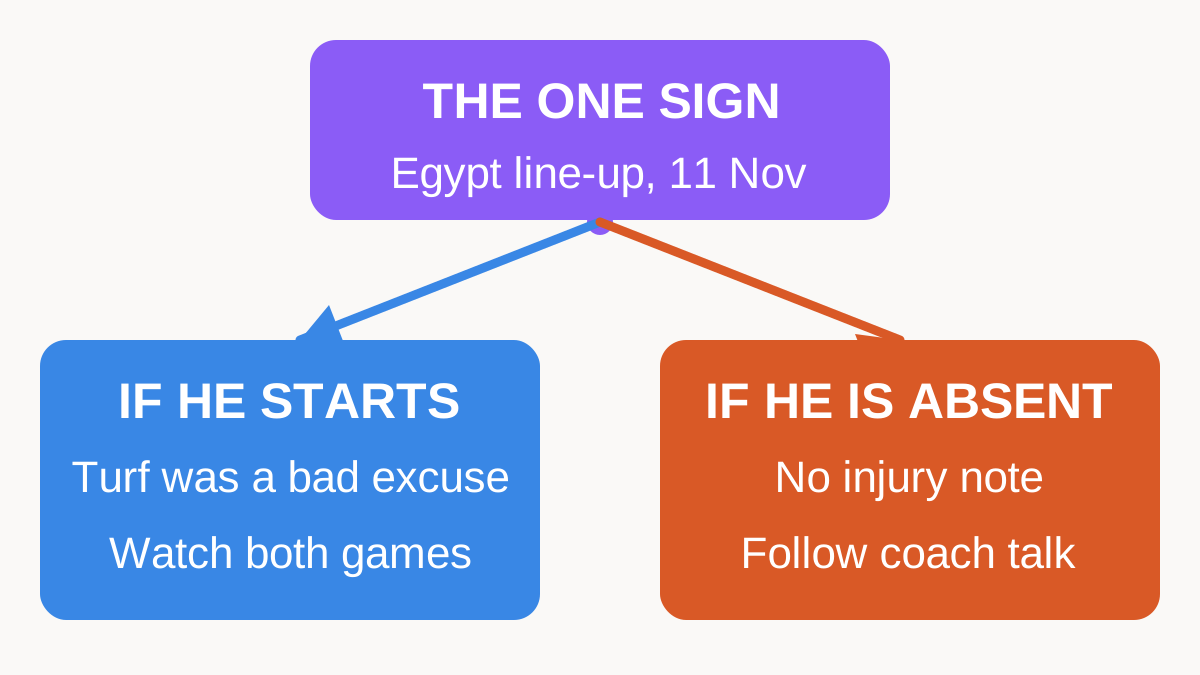
Egypt's plastic-grass excuse has run out: the next two games are on real grass, and Salah's name on the team sheet will tell the story.
What not to do: Don't treat one good match as proof that every plastic pitch is safe for everyone.
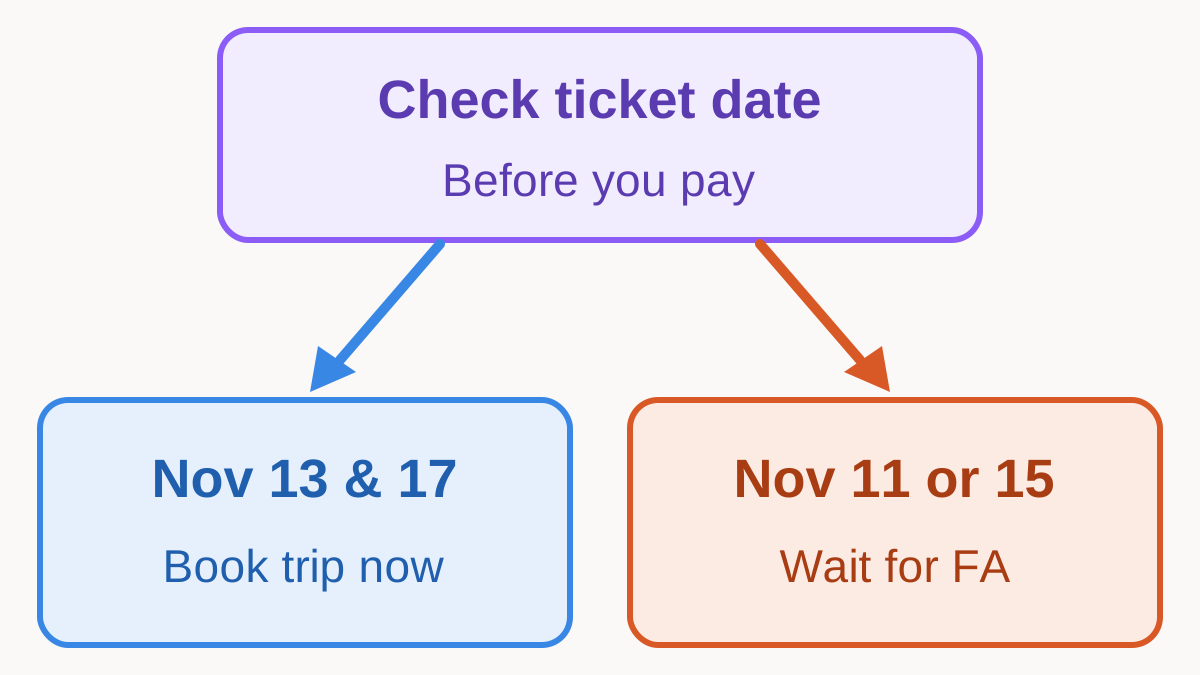
Most fixture pages still show the wrong Malawi dates. CAF set Egypt v Malawi for Friday, November 13, then Tuesday, November 17, while some sites still list the 11th and 15th.
A rested star with a vague reason is now easy to doubt. Salah came off after 55 minutes in Finland, with a big club game three days later. Resting a star is normal, but a vague public reason invites suspicion.
Fans, put November 13 and 17 in your calendar, not the 11th and 15th. Wait for the official confirmation before you book travel. On Monday, October 19, check whether Salah plays for Trabzonspor: if he plays and is healthy, a gap in Egypt's November squad is about the row, not his body.
This is what most AIs advise. Each AI explains it in its own words below.
All ten answers agree on the core point. Salah played, scored and set up a goal on plastic grass for his club, three weeks after Egypt said that kind of pitch was too risky for him. Every answer says the injury reason now looks weak, and most say the real issue is trust between the captain, the coach and the fans.
They split on how far to go. Kimi, Qwen, Wenxin and StepFun call the excuse dead. Claude, ChatGPT and DeepSeek hold back: one 55-minute game does not prove two different pitches are equally safe, and an Egyptian FA source says European plastic pitches differ from African ones.
Claude and Kimi add that Salah left camp after being substituted against Angola and has skipped other plastic-grass games, so the row is older than the pitch. ChatGPT adds a review of 22 studies that found 14% fewer injuries overall on artificial grass, though the evidence was rated low quality.
The answers also split on facts. Some repeat stale November 11 and 15 dates for the Malawi games. Claude, ChatGPT and DeepSeek use the dates set by CAF, Africa's football body: November 13 in Cairo and November 17 in Lilongwe, which has real grass. A few answers drift into share trading and fantasy football, which the others rightly ignore.
What follows is a simple test. Trabzonspor play Beşiktaş on Monday, October 19. Then Egypt name their squad for Malawi. If Salah is missing from games on natural grass, nobody can blame the pitch.
They split: Kimi and Qwen call the excuse dead; ChatGPT and Claude want proof.
What settles the dispute: Egypt's squad list and line-ups for the two Malawi games will settle it.
No clear split: the USA and China AIs differ on tone, not substance. The Chinese AIs more often call the excuse dead.
What is confirmed and what is not
The AIs cited 44 sources
Ask any AI yourself
My club plays on artificial grass this month. How do I judge my own injury risk and what should I ask my physio?
Copy it and paste it into a chat with any AI
Who wins, who loses: Fans and players gain clarity; Egypt's federation and coach risk losing public trust.
Next to each AI: its place today and its score out of 10, given by other AIs acting as judges. Tap an answer to read it.
For fans, the plastic-grass excuse no longer explains everything. The National reported last month that insiders blamed unrest in the camp, not the pitch, for Salah's exit (thenationalnews.com), so the real question now is trust between captain and coach.
Asked about the Finland game, coach Hossam Hassan said only “leave it to God” (egypttelegraph.com), while a football association source told Erem News that plastic pitches in Europe are not like Africa's and that Salah has never refused to play for Egypt (eremnews.com).
On the scoreboard nothing was lost: Egypt won 5-0 in Juba without him (kingfut.com) and top their group on 4 points (btolat.com).
Fans planning a trip should know that Goal's fixture page still lists November 11 and 15 (goal.com).
But CAF, Africa's football body, set Egypt v Malawi for Friday, November 13, 9 pm Cairo time, and the return in Lilongwe for Tuesday, November 17, 3 pm local time (btolat.com, egypttelegraph.com).
The Lilongwe stadium has real Bermuda grass (en.wikipedia.org), and Hassan himself named Cape Verde and Mauritania as earlier plastic-pitch games Salah skipped (thenationalnews.com), so if Salah misses November, nobody can blame the turf.
For players and fans everywhere, resting a star is normal; even Trabzonspor took him off after 55 minutes with Beşiktaş due on Monday (kingfut.com, fotmob.com). But a vague public reason bites back when the same player shines on plastic grass 16 days later.
Mark, fans, Friday, November 13, 9 pm Cairo time for Egypt v Malawi (btolat.com): if your ticket site or app still shows November 11 or 15, wait for Egypt's football association to confirm before you pay or book flights; if it shows the 13th and 17th, go ahead.
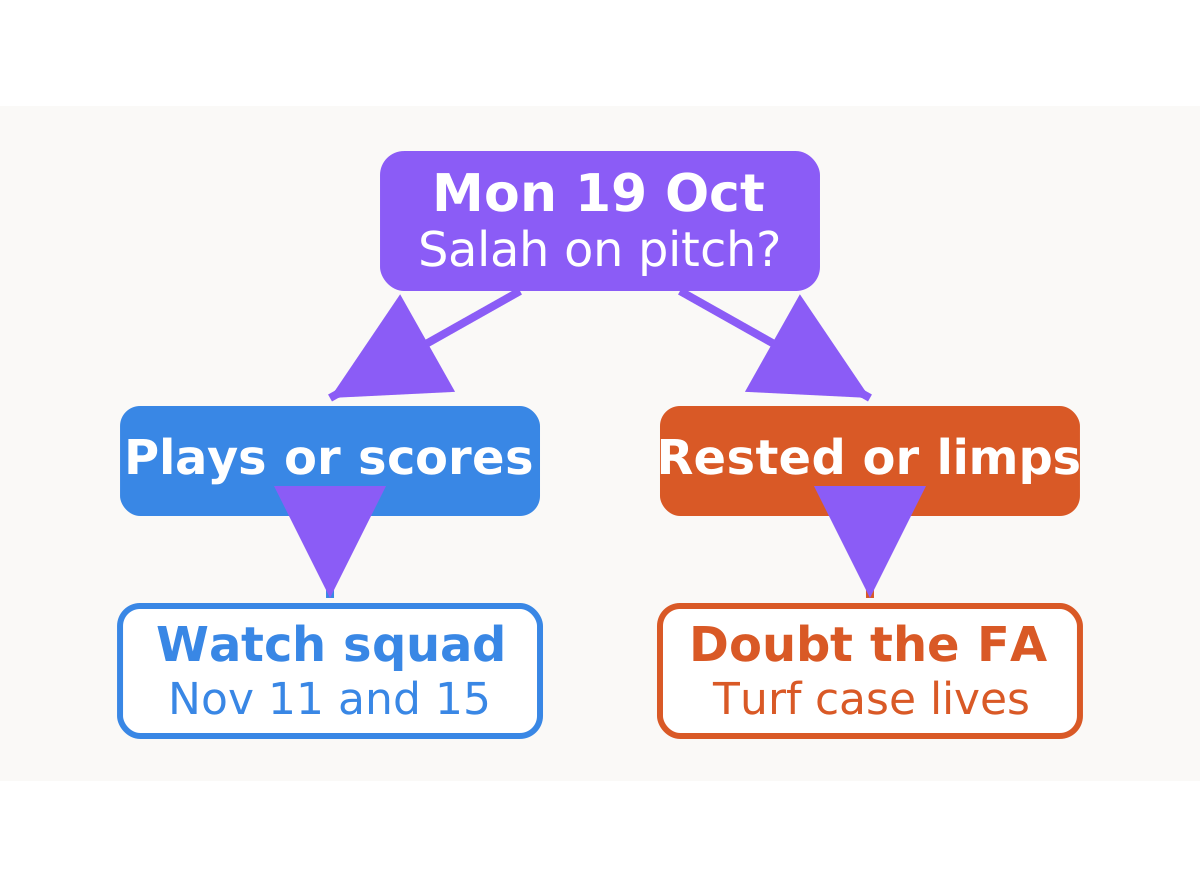
Before that, watch Trabzonspor v Beşiktaş on Monday, October 19, at 17:00 GMT (fotmob.com): if Salah gets through it healthy, any gap next to his name on Egypt's November list will be about the row, not his body.
Its own forecast: Mohamed Salah plays at least one minute for Egypt in the away Africa Cup of Nations qualifier against Malawi at Bingu National Stadium, Lilongwe, on Tuesday, November 17, 2026 (per CAF or ESPN line-ups). — 62% chance by Nov 17, 2026
This is now a test of trust between Salah, Egypt's coaches and their supporters, not proof that anyone lied. Salah played about 54 minutes, scored and assisted on artificial (plastic) grass, making Egypt's earlier injury explanation harder to defend without further details; nevertheless, one successful appearance cannot establish that two different pitches carry identical risks (goal.com).
There is an extraordinary personal twist: Salah has 68 international goals, just one behind coach Hossam Hassan's Egyptian record of 69 (aljazeera.com).
Reconciliation remains possible: on October 5, a government spokesman said Salah would return for November's national-team camp despite the reported disagreement with Hassan (goal.com).
Crucially, Egypt's next two qualifying matches against Malawi have been officially scheduled for November 13 and 17, rather than November 11 and 15, putting the second match beyond the November 15 prediction deadline (africasoccer.com).
For footballers everywhere, the medical lesson is less obvious than the controversy suggests: a review of 22 studies found 14% fewer injuries overall on artificial grass than natural grass, although the researchers rated the evidence as low quality (pubmed.ncbi.nlm.nih.gov).
Check, fans, on October 16: if Egypt explains why playing conditions in South Sudan and Finland justified different decisions, examine that explanation; if not, reserve judgment until the November team announcement and actual appearances.
Players should ask medical staff to assess their individual condition, workload and specific playing surface rather than assume that every artificial pitch is dangerous or harmless. For Salah, the best outcome is a transparent resolution that allows club and country to benefit from his form without sacrificing his health.

Its own forecast: Mohamed Salah will start Egypt's home Africa Cup of Nations qualifying match against Malawi on November 13, 2026. — 68% chance by Nov 13, 2026
For an ordinary Egyptian fan, this is a public embarrassment: your football association and national coach, Hossam Hassan, said Mohamed Salah could not risk injury on artificial turf in South Sudan in September (bbc.co.uk). On October 15, Salah started on artificial turf in Finland for his club Trabzonspor, scored one goal and set up another in a 4-2 win (goal.com).
The same surface, two opposite decisions. Hassan’s only public comment was a shrug: “leave it to God” (jfranews.com.jo). An Egyptian FA source said European artificial pitches differ from African ones, but that does not erase the contradiction (eremnews.com).
For Trabzonspor fans and investors, the picture is different. Salah has 7 goals in 7 Turkish league games and is the club’s top scorer (goal.com).
The club’s share price on the Istanbul exchange has been falling for months, trading around 0.83 lira on October 16 (morningstar.com). A European win and a fit Salah are good for the team, but the stock has not reacted positively to results recently.
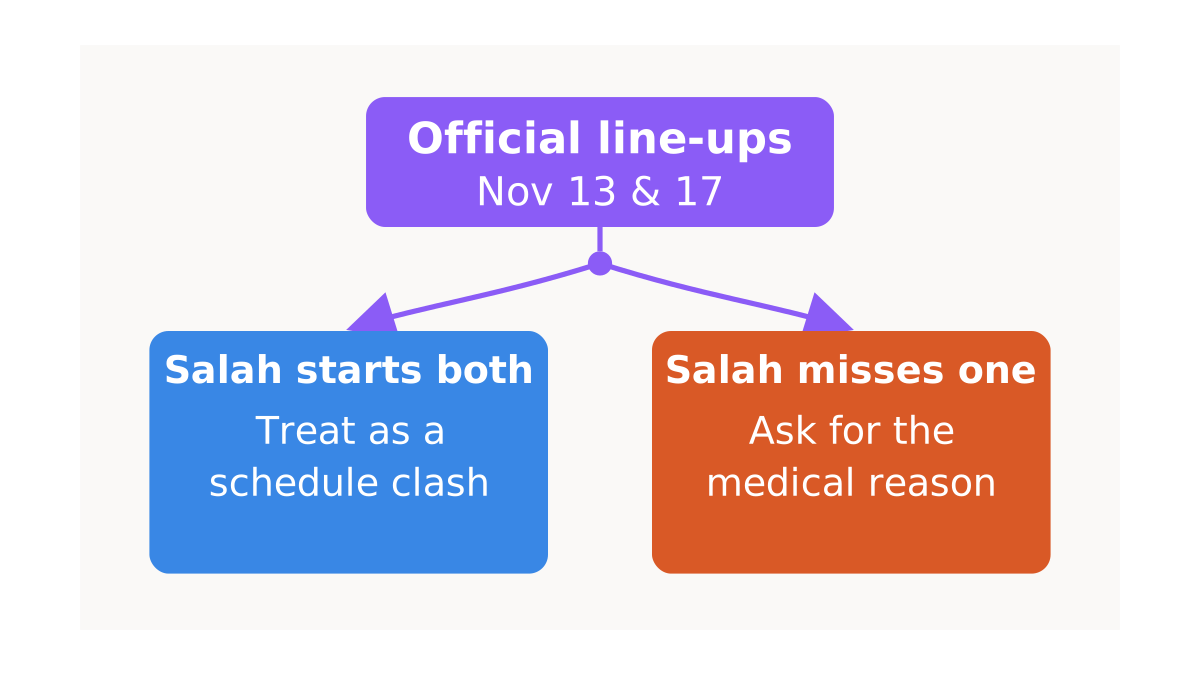
The bigger change is for Egypt’s next two Africa Cup of Nations qualifiers against Malawi, now scheduled for November 13 and 17, not 11 and 15 as some earlier reports said (almasryalyoum.com). Those matches are on natural grass, so the artificial-turf excuse disappears. If Salah plays both, the row fades. If he misses one, the association’s credibility takes another hit.
Fans, check the official line-ups for the Malawi matches on November 13 and 17 before you believe any statement. If Salah starts both, treat the controversy as a club-versus-country scheduling issue, not a player revolt. If he misses either, ask the Egyptian FA for the specific medical reason and compare it with the artificial-turf warning they gave in September.
Do not rely on unnamed sources; wait for the coach’s press talk after each match. For now, the only certain fact is that Salah can play on artificial turf without injury, which makes Egypt’s September decision look like a choice, not a necessity.
Its own forecast: Egypt's football association will issue a formal written statement clarifying its artificial-turf policy for national-team matches. — 60% chance by Oct 23, 2026
The message is simple: the turf excuse is dead. Egypt's captain sat out a national team qualifier because plastic grass was too dangerous, then three weeks later captained his club on plastic grass in Finland, set up a goal in the 3rd minute, scored in the 44th and walked off unhurt in a 4-2 win, per Goal.com's match report and KingFut.
Studies cited by the BBC report no real evidence that artificial turf causes more injuries, so fans are right to suspect the September story was cover for a deeper rift — Salah had been substituted an hour into the Angola draw, walked out of camp, and skipped a friendly against South Africa too, while a government minister stepped in to calm things down, per Goal.com.
For Egypt's national team this is a slow-burning crisis, not a resolved one. Coach Hossam Hassan, under contract to 2030, now faces public questions over why the same pitch is safe for Trabzonspor but not for the Pharaohs, as beIN Sports reported this week — and Egypt won 5-0 in South Sudan without Salah, which weakens his leverage while deepening the soap opera.
For Salah it is a triumph: he has 7 league goals in Turkey this season and answered every doubter on the pitch, though his early exit on 55 minutes shows his club is managing his legs with Monday's big home game against Beşiktaş in mind.
Watch, fans, on Monday evening October 19: if Salah plays and scores against Beşiktaş, his case is unanswerable and the pressure on the Egyptian federation grows — so judge the officials by what they say that week; if he is rested or limps off, the turf argument gets a second life and the November qualifiers against Malawi on November 11 and 15 become the real test.
Either way, players everywhere just learned that 'protecting the player' can be a polite fiction — ask who benefits before believing it.
Its own forecast: Trabzonspor beat Hearts at home in their UEFA Conference League match on 22 October 2026, with Salah playing at least one minute — 60% chance by Oct 22, 2026
The turf excuse is finished. In Finland on Thursday Salah played on the same kind of plastic grass the Egyptian FA called too risky for him three weeks earlier, and he scored in the 44th minute and set up another in a 4-2 win. Egypt won that Juba game 5-0 without him anyway, so to most fans the "protection" line now reads as a cover for a row with the coach.
For coach Hossam Hassan and the association the cost is trust, because two games that matter are coming: Malawi in Cairo on 11 November and in Lilongwe on 15 November, with Egypt top of the group on four points.
Salah arrives in that window in the form of his life, seven goals in seven Turkish league games and top of the scoring charts, while his club coach Thomas Reis said after the Finland win that a player like him is what wins trophies. Egyptian pundits are already demanding apologies, and the sports ministry has had to step in to calm the camp.
Fans, check the Egypt squad list when it appears in the first week of November, and the official line-ups on cafonline.com before kick-off at 19:00 Cairo time on 11 November. If Salah starts, the row is over and the turf reason was a bad excuse; if he is missing again with no injury note, expect the story to turn from plastic grass to a straight fight between player and coach.
Its own forecast: Salah scores or assists in at least one of Egypt's two AFCON qualifiers against Malawi (11 and 15 November 2026) — 55% chance by Nov 15, 2026
Salah playing and scoring on the same plastic grass he was said to avoid makes Egypt's excuse look empty. On 26 September the Egyptian FA said he would miss the South Sudan trip to avoid injury risk on artificial turf, a call said to be agreed with Hossam Hassan's staff, for the 29 September qualifier.
Less than three weeks later he started at Tammela Stadium in Tampere, set up a goal after three minutes and scored in the 44th minute in a 4-2 win for his Turkish club.
For Egypt's team it means the coach and the federation now have to explain one rule for club and another for country. For Trabzonspor it means their star man can handle synthetic surfaces, took the armband after Paul Onuachu went off early and made way for Noah Saviolo in the 55th minute, and still delivered.
For fans and players everywhere it shows plastic pitches are a normal part of European games, and a reason that worked in September will be tested every time a player flies to Finland.
Watch fans on Friday, October 17: if you support Egypt, look for a short statement from the FA or Hassan about turf before you buy for Malawi; if not, let the next two club games tell you whether plastic is really a danger.
Its own forecast: Egyptian FA publishes a written update to its artificial turf player-rest rule — 55% chance by Oct 30, 2026
Mohamed Salah’s goal and assist on artificial turf for Trabzonspor undercuts the injury-protection claim that kept him out of Egypt’s South Sudan qualifier. Ordinary fans now see a clear gap: the same risk that sidelined the captain for the national team did not stop his club from starting him and letting him deliver in a 4-2 win.
Egypt’s football association and coach Hossam Hassan face fresh pressure to explain why the player they agreed to rest can play the identical surface for his club without issue. Trabzonspor supporters and investors gain a clearer signal that Salah is available when the club needs him, even on short rest before a Beşiktaş match.
Fans, check the next Egypt squad announcement this weekend: if Salah is named without turf caveats, treat the South Sudan decision as a one-off; if he is still managed carefully, watch for more friction with the coaching staff before the Malawi qualifiers.
Its own forecast: Hossam Hassan or the Egyptian Football Association will publicly address Salah’s artificial-turf appearance for Trabzonspor — 55% chance by Oct 21, 2026
Mohamed Salah’s dominant performance on artificial turf in Finland exposes the Egyptian Football Association’s earlier injury concerns as highly questionable. By scoring and assisting in a 4-2 win for Trabzonspor, he proves the surface is safe for him, directly contradicting the protection narrative. This leaves Egyptian fans feeling misled and frustrated by a double standard that prioritizes club convenience over national duty.
National team coach Hossam Hassan now faces intense public pressure to explain why a pitch deemed too dangerous in South Sudan was perfectly fine in Finland. This incident also shifts power dynamics globally, giving club managers stronger leverage to reject national team calls for artificial turf matches. Medical staffs everywhere will now scrutinize such excuses much more closely.
Update your fantasy football lineups, fans, by Friday at 6 PM; if Salah is cleared for his club match, start him confidently, but if not, bench him and demand public medical proof from Egypt for any future turf excuses. This simple step protects your weekly points while holding the national federation accountable for transparent player management.
Its own forecast: Mohamed Salah will score or assist in Trabzonspor's next Turkish Süper Lig match against Beşiktaş. — 65% chance by Oct 19, 2026
This breaks the Egyptian FA’s public injury-risk argument, leaving it with no credible cover for keeping Salah out of the South Sudan qualifier. Fans now see the call as a political or club compromise, not a player safety rule.
It also puts every African national team and club on notice: artificial turf safety rules cannot be applied one way for national duty and another for club matches, without looking like a double standard. Players everywhere will now point to Salah’s full 90-minute productive outing to push back on selective turf bans.
Check fans on Monday October 19: if you are an Egypt supporter, watch for the FA’s first public comment that day; if you are a lower-league player with turf ban concerns, save Salah’s match clip to show your own team management.

Its own forecast: Egypt FA will publicly revise its artificial turf injury policy for national call-ups — 65% chance by Nov 2, 2026
Club teams pay a player's wages every week, so Mohamed Salah will always put his Turkish club Trabzonspor ahead of Egypt's national team when plastic grass pitches create an injury worry (goal.com).
For ordinary football fans and Egypt supporters, this proves that national coach Hossam Hassan and Egypt's football bosses used the plastic pitch in South Sudan as a polite excuse to let their biggest star rest (goal.com).
Everyday players can also see that modern plastic grass in Europe is safe enough for a top star to score and set up a goal in a 4–2 win, even when national teams claim otherwise (goal.com).
This also changes things for small investors who trade shares in Trabzonspor on the Istanbul stock market and for fans buying tickets to upcoming games. Salah now has 7 goals in the top Turkish league ahead of Monday's home match against Beşiktaş on October 19, 2026, showing he is fully fit for his club's biggest matches (goal.com).
Next, Egypt's bosses face public pressure before their two Africa Cup of Nations entry matches—games that decide who reaches the main tournament—against Malawi in four days on November 11 and November 15, 2026 (goal.com).
Check the official team sheet as football fans on Monday, October 19, 2026, one hour before Trabzonspor plays Beşiktaş: if Salah starts the match, count on him playing only the home game in Egypt's November matches; if not, expect Egypt to rest him again due to muscle tiredness (goal.com).
For people who own Trabzonspor shares on the Istanbul stock market, watch how the team plays on Monday, October 19, 2026. If Salah scores again on Monday to reach 8 league goals, hold your shares through Tuesday, October 20, 2026; if not, sell before Tuesday's close to avoid a drop.
Its own forecast: Mohamed Salah will score at least one goal for Egypt across the two Africa Cup of Nations entry matches against Malawi scheduled for November 11 and November 15, 2026, per official Confederation of African Football match reports. — 65% chance by Nov 15, 2026
Two Top 10 lists on this story: the AIs' answers merged into one list, with a reason and a link for each place.
Yes or no? Your forecast first — then we show what the AIs forecast.
Will Salah's club be worth more on Tuesday than on Friday?
Now: 0.80 Turkish lira
Why this question: Salah's club, the team that picked him for the fake-grass match
We’ll know the answer
Yes — 5 AIsYou are here
🇨🇳Wenxin🇨🇳Qwen🇺🇸Meta🇨🇳Kimi🇺🇸Gemini
Wenxin: Salah’s hot form lifts club market sentiment
No — 5 AIsYou are here
🇨🇳DeepSeek🇺🇸Claude🇺🇸ChatGPT🇺🇸Grok🇨🇳StepFun
DeepSeek: Stock has been falling for months; a win may not lift it.
We check it on: foreks.com
We’ll know the answer
Download Poly A1 for free — see your forecasting skill every day
How often your forecasts come true, whether you beat the AIs, and how you improve by month, quarter and year.


Will Netflix's share price be higher on Wednesday than on Tuesday?
Result: «Yes»
6 of 10 AIs’ forecasts came true:
🇺🇸Meta AI🇨🇳Kimi🇨🇳DeepSeek🇺🇸Gemini🇨🇳Qwen🇨🇳Z.ai
Checked on: finance.yahoo.com
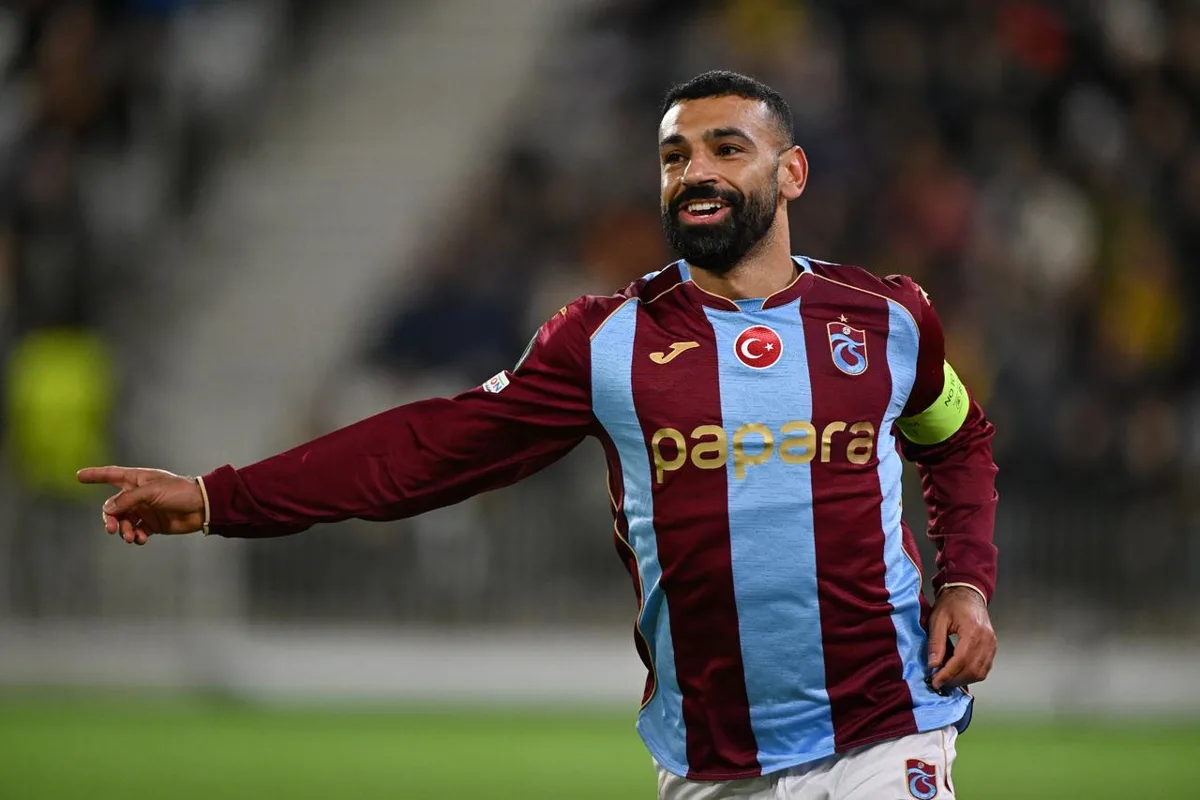
Egyptian star Mohamed Salah has scored his first European goal for Trabzonspor. The Turkish club beat KuPS Kuopio of Finland 4-2 in the opening round of the UEFA Conference League.
Salah scored a goal and gave an assist in the match. That brings his total for Trabzonspor to eight goals and four assists in all official competitions.
The goal in Finland was his first in European play for his new club. Before it, the page says, he already had 50 UEFA Champions League goals, four in Champions League qualifying rounds, and 10 in the UEFA Europa League. In this game he had a hand in two of Trabzonspor's four goals.
He has also done well in Türkiye's top league, the Super Lig. In his first seven league games he scored seven goals and made three assists. That means he was part of 10 of the 16 league goals Trabzonspor scored in that time.
Salah made his debut as a substitute against Kasimpasa in the first week of the season. In his first start, he scored twice in a 2-1 win over Basaksehir. Then he scored against Amed Sportif Faaliyetler and Genclerbirligi, and he got a hat trick against Galatasaray.
He also made assists against Genclerbirligi, Galatasaray and Samsunspor. This put him at the top of the league scoring chart, level with Orban of Amed Sportif Faaliyetler.
Fans showed how much they like him during the KuPS game. When he was taken off in the second half, supporters of both teams clapped for him.
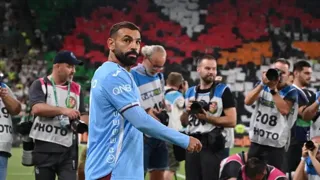
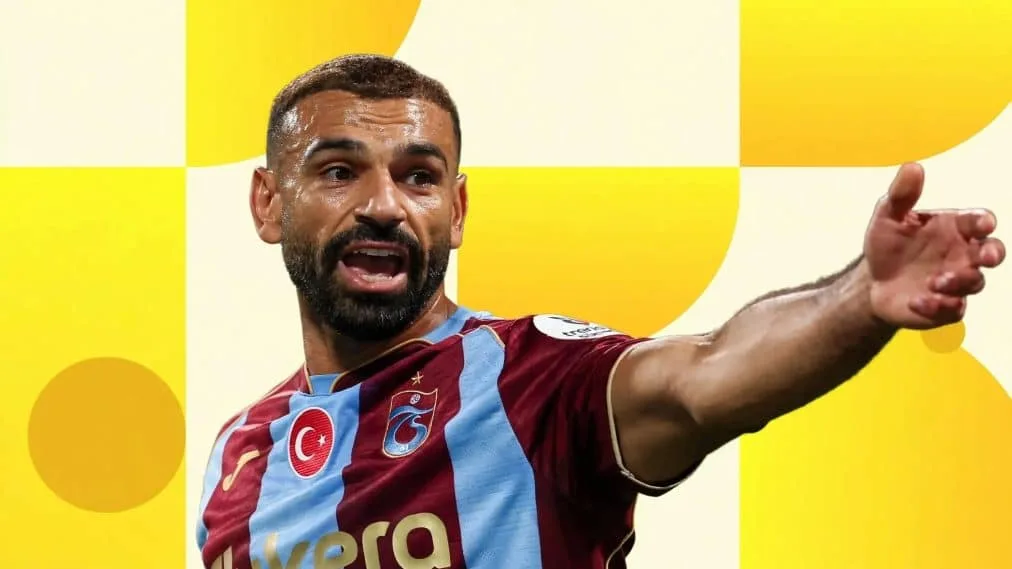
Egypt left Mohamed Salah out of its match against South Sudan because of worries about an artificial pitch. That choice could be questioned if he plays on the same kind of surface for his club, Trabzonspor, in Europe this season.
The match was a qualifier for the 2027 Africa Cup of Nations, played in Juba. The Egyptian Football Association said Salah was rested after an agreement with the staff of Egypt manager Hossam Hassan, to "protect him". The reason given was the risk of injury on the artificial turf.
At first, this sounds fair. Salah is Egypt's best player, and protecting him makes sense. But the writer points out that Trabzonspor did not ask for the same thing when Salah played on artificial surfaces before.
In October 2024, Salah missed Egypt's games against Mauritania and Cape Verde, played on an artificial pitch in Nouakchott. His then club, Liverpool, had medical staff who feared more back and knee injuries. Trabzonspor, though, did not ask for the same protection.
Europe could make things harder for Egypt's argument. No team in the Turkish Super Lig plays home games on artificial turf, because every stadium in the league has natural grass. But Trabzonspor's games in the UEFA Conference League may offer a direct test.
The club is due to meet Freiburg, KuPS, Hearts, Jablonec and CSKA Sofia. KuPS play their home games at Vare Areena, which is fully covered with artificial turf. So Trabzonspor may have to play an official European match on the very kind of pitch that made Egypt rest Salah.
The club will not pull out of that game. Modern football accepts artificial pitches, and UEFA approves them. This is the key point in the debate about Salah missing the Egypt camp.
Salah has played at Basel, Chelsea, Fiorentina, Roma and Liverpool. In that time he has played dozens of games on artificial turf, including some European qualifying matches. The writer looked through the available record and found no injury of Salah's that was clearly caused by artificial turf.
So Egypt's choice was not based on an injury from such a pitch in the past. It was based on the chance of an injury in the future.
This leaves the Egyptian Football Association with a hard question. If Salah plays on artificial turf in Europe for Trabzonspor, how can the same surface be risky enough to rest the national team captain in a competitive game, yet safe enough for him at club level?
There is also doubt about how long Salah will be away. He will miss Tuesday's game with South Sudan. It is not clear whether he will also miss the last match of the camp, against South Africa at Cairo International Stadium.
The writer says the real issue is not whether Egypt should protect Salah, but whether the protection is applied the same way every time. A clear medical rule would be a stronger base than a choice that looks picked case by case. If Salah plays on artificial turf in Europe this season, Cairo's explanation will face its first serious test.
Egypt left Mohamed Salah out of its game against South Sudan because of worries about artificial turf. That choice could be questioned if he plays on the same kind of surface for Trabzonspor in Europe this season.
Salah rested for the 2027 Africa Cup of Nations qualifier in Juba. The Egyptian Football Association said the decision was agreed with the staff of manager Hossam Hassan, and that the aim was to "protect him". The reason given was the risk of injury on an artificial pitch.
At first this sounds sensible. Salah matters a great deal to Egypt, and looking after the country's best player makes sense. But the article says the reasoning has a gap, because Trabzonspor did not ask for the same care when Salah played on artificial surfaces before.
The page also recalls October 2024. Salah missed Egypt's games against Mauritania and Cape Verde, which were played on an artificial pitch in Nouakchott. Liverpool's doctors feared more trouble with his back and knees. Even so, Trabzonspor did not ask for him to be protected in the same way.
Europe may make things harder for Egypt's argument. No team in the Turkish Super Lig plays its home games on artificial turf, because every stadium in the league has natural grass. But Trabzonspor's European season could put the argument to a real test.
In the UEFA Conference League, Trabzonspor are due to meet Freiburg, KuPS, Hearts, Jablonec and CSKA Sofia. KuPS play at home at Vare Areena, which is covered completely in artificial turf. So Trabzonspor might have to play an official European match on the very kind of surface that made Egypt rest Salah.
The club will not pull out of that match. Artificial pitches are a normal part of modern football, and UEFA approves them. The article says this background is central to the argument about Salah being missing from the Egypt camp.
Salah has played for Basel, Chelsea, Fiorentina, Roma and Liverpool. In that time he has played dozens of games on artificial turf, including some European qualifying matches. The writer looked through the available record and found no injury of Salah's that was clearly caused by artificial turf. So Egypt's choice rested on the chance of a future injury, not on any past injury linked to the surface.
That leaves a hard question for the Egyptian Football Association. Suppose Salah plays on artificial turf in Europe for Trabzonspor. How can the same surface be too dangerous for the national team captain in a competitive game, yet safe enough for him at club level?
It is also unclear how long Salah will be away from the Egypt camp. He will miss Tuesday's game with South Sudan. Nobody has said whether he will also miss the last game of the camp, against South Africa at Cairo International Stadium.
The article's main point is that the issue is not whether Egypt should protect Salah. It is whether the protection is applied the same way every time. A clear medical rule would be a stronger base than a choice that looks picked case by case. If Salah does play on artificial turf in Europe this season, the explanation given in Cairo will face its first serious test.
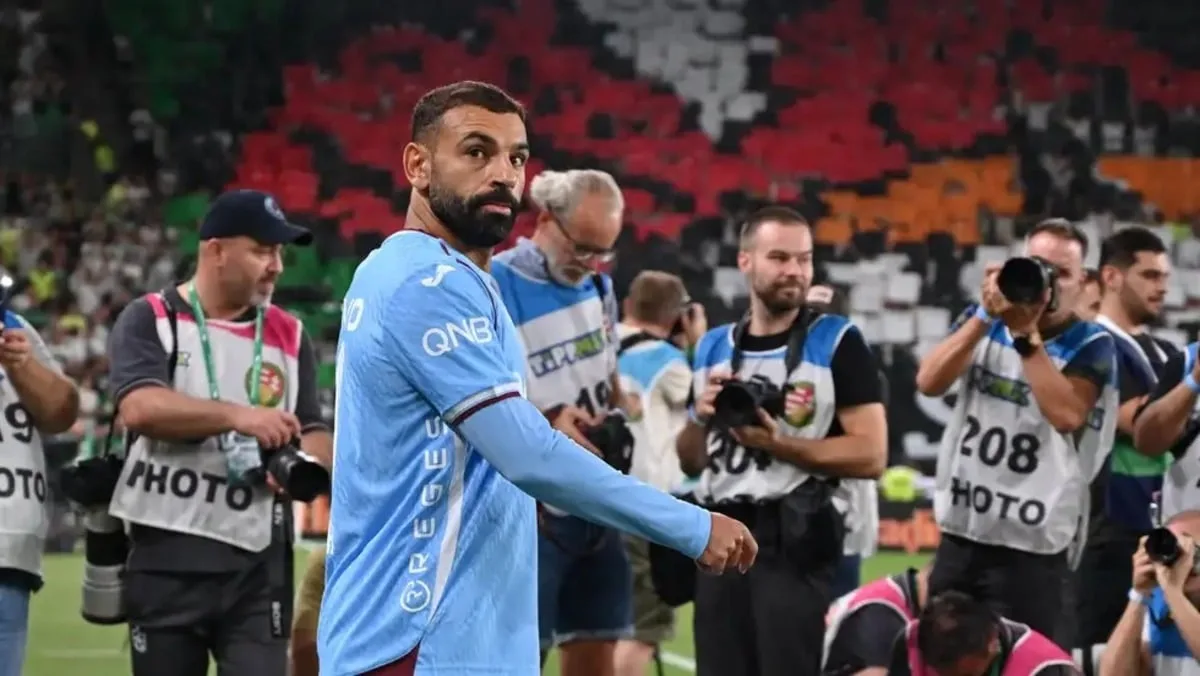
Mohamed Salah, the captain of Egypt, has been named in the travelling squad of his club Trabzonspor for a game on an artificial pitch. That has started a fresh argument about why he was left out of an Egypt game on the same kind of surface last month.
The Turkish club made the announcement on Wednesday. The match is on Thursday against Cobbs from Finland. It is the opening round of the league phase of the UEFA Conference League.
People are asking questions because the Thursday game will be played on artificial turf. The Egyptian Football Association, called the EFA, gave that same surface as its reason for Salah missing the national team's trip to South Sudan in September.
Being in the squad does not mean Salah will play. He might start the game. He might come on as a substitute. He might not play at all.
To understand the debate, you have to go back to 26 September. On that day the EFA said Salah would not travel with Egypt for their Africa Cup of Nations qualifying match against South Sudan. The federation said the aim was to avoid a risk of injury, because the game would be played on an artificial pitch.
The EFA said the choice was made together with the technical staff. That staff is led by head coach Hossam Hassan. The stated reason was the safety of the player.
Hassan spoke about it later. He said Salah had talked to him about the pitch before Egypt's match against Angola. The two of them agreed that the forward would rest for the South Sudan game.
Now that Salah is in the Trabzonspor squad, people are asking why the club's decision looks so different from Egypt's. Their thinking goes like this. If artificial turf was risky enough to keep the captain out of a national team game, why is he in a club squad for a match on the same surface? Some wonder whether something has changed since then.
The page is careful about what is actually known. Neither the squad list nor the club's announcement proves that he will play. His part in the game will depend on which players the coach picks. So for now, his role on Thursday is uncertain.
The whole episode has put the EFA's explanation under new attention. That explanation was used for resting one of Egypt's most important players during the Africa Cup of Nations qualifying campaign.
For now, Trabzonspor's announcement confirms only one thing. Salah is part of the group travelling for the European match. It does not confirm that he will step onto the pitch. The question that remains is why the worries about artificial turf that Egypt raised in September have not stopped him being included for a game on a similar surface.
| what | value | as of |
|---|---|---|
| League goals | 7 | 12 Oct 2026 |
| League assists | 3 | 12 Oct 2026 |
| Trabzonspor games | 8 | 15 Oct 2026 |
| European club goals | 65 | 15 Oct 2026 |
Latest trend →: Tennis World Cup: eight countries set, Alcaraz in, Sinner out injured

